What Is Living Soil?
Living Soil in Cannabis Production
Living soil is a dynamic, biologically active growing medium that serves as the cornerstone of organic cannabis cultivation. Unlike conventional soil or hydroponic systems, which often rely on synthetic fertilizers or inert media, living soil is a thriving ecosystem teeming with microorganisms, fungi, and organic matter that work symbiotically to nourish cannabis plants. This approach mimics natural soil systems found in untouched ecosystems, fostering a self-sustaining environment that enhances plant health, potency, and sustainability. In cannabis production, living soil is celebrated for producing high-quality, terpene-rich buds with minimal environmental impact. Below, we delve into the principles, components, benefits, and practical applications of living soil in cannabis cultivation, tailored to provide a unique perspective for growers seeking premium results.
The Essence of Living Soil
At its core, living soil is a holistic growing medium that integrates organic matter, microbial life, and natural amendments to create a balanced, nutrient-rich environment. It is not merely dirt but a vibrant community of bacteria, fungi, protozoa, nematodes, and other microorganisms that interact with cannabis roots to facilitate nutrient uptake, improve soil structure, and enhance plant resilience. This living matrix replicates the complexity of forest floors or prairie soils, where organic matter decomposes naturally, and nutrients cycle without external inputs.
In cannabis cultivation, living soil is often referred to as “super soil” or “no-till soil” due to its ability to be reused across multiple growing cycles with minimal supplementation. The goal is to create a self-regulating system where microbes break down organic matter into bioavailable nutrients, which cannabis plants can readily absorb. This contrasts sharply with conventional methods that rely on chemical fertilizers, which can degrade soil health over time and disrupt microbial ecosystems.
Key Components of Living Soil
Crafting living soil for cannabis requires a careful balance of ingredients to ensure optimal plant growth and microbial activity. The following components are essential:

1. Base Soil
A high-quality organic soil mix, often a blend of peat moss, coco coir, or loamy soil, forms the foundation. This base provides structure and water retention while serving as a habitat for microbes.
2. Compost
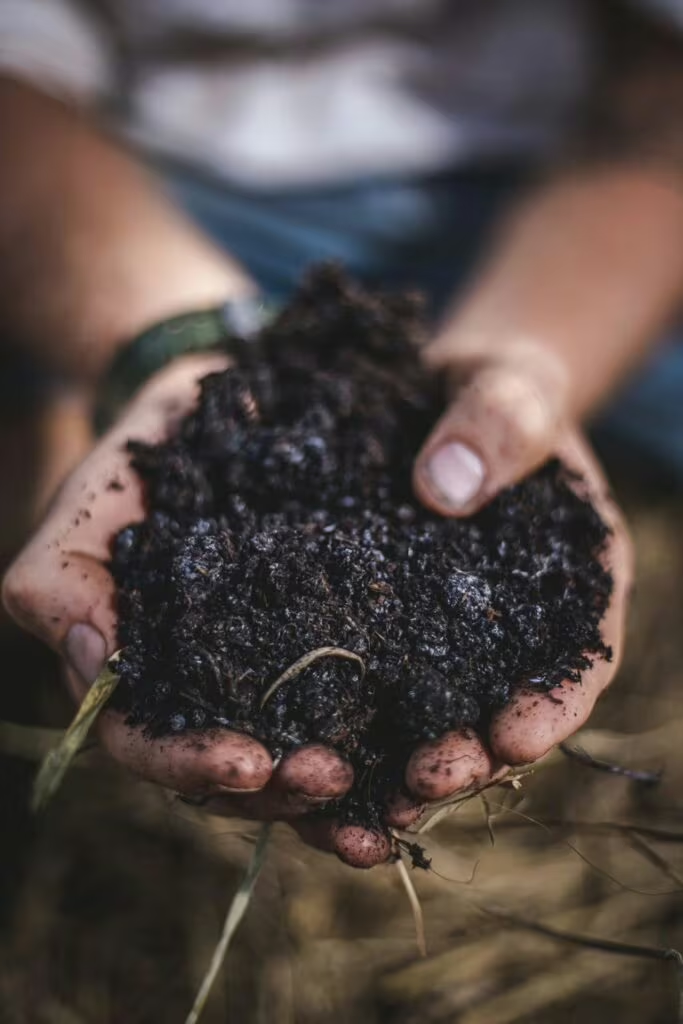
Well-aged, organic compost is the heart of living soil. It introduces beneficial microorganisms and provides a slow-release source of nutrients. Compost from diverse sources, such as plant matter, manure, or vermicompost (worm castings), adds complexity to the soil’s nutrient profile.

3. Aeration Materials
Perlite, pumice, or biochar are added to improve soil aeration and drainage. These materials prevent compaction, ensuring oxygen reaches the roots and microbes, which is critical for healthy cannabis growth.

4. Organic Amendments
Nutrient-rich amendments like bone meal, blood meal, kelp meal, and rock dust supply essential macro- and micronutrients. These materials break down gradually, feeding the soil food web over time.

5. Microbial Inoculants
Mycorrhizal fungi, beneficial bacteria (e.g., Bacillus subtilis), and other microbial inoculants are introduced to enhance nutrient cycling and protect roots from pathogens. Mycorrhizae, in particular, form symbiotic relationships with cannabis roots, extending their reach and improving nutrient absorption.

6. Cover Crops and Mulch
Living soil systems often incorporate cover crops (e.g., clover, alfalfa, dichondra, chickweed) and/or organic mulch (e.g., straw or wood chips) to retain moisture, suppress weeds, and add organic matter as they decompose. Cover crops also provide additional aeration via root systems.
The Soil Food Web: The Engine of Living Soil
The soil food web is the intricate network of organisms that drives nutrient cycling in living soil. Bacteria and fungi decompose organic matter, converting it into forms that cannabis plants can absorb, such as nitrogen, phosphorus, and potassium. Protozoa and nematodes consume bacteria and fungi, releasing excess nutrients into the soil. Earthworms and other macroorganisms aerate the soil and contribute to decomposition, further enriching the ecosystem.
In cannabis production, a robust soil food web ensures that plants receive a steady supply of nutrients tailored to their growth stage. For example, during the vegetative phase, nitrogen-loving bacteria dominate, while phosphorus and potassium become more available during flowering, guided by microbial activity. This dynamic nutrient delivery eliminates the need for precise feeding schedules, as the soil self-regulates based on the plant’s needs.

Benefits of Living Soil in Cannabis Cultivation
Using living soil in cannabis production offers numerous advantages, making it a preferred method for craft growers and those prioritizing sustainability:
- Enhanced Terpene and Cannabinoid Profiles: The diverse nutrient availability and microbial interactions in living soil contribute to richer terpene profiles and higher cannabinoid content. This results in more aromatic, flavorful, and potent cannabis compared to hydroponically grown counterparts.
- Sustainability and Cost-Effectiveness: Living soil is reusable, reducing the need for frequent soil purchases or synthetic fertilizers. No-till practices, where soil is minimally disturbed between cycles, further enhance sustainability by preserving microbial communities and reducing waste.
- Improved Plant Health: The presence of beneficial microbes protects cannabis plants from pathogens and pests, reducing the need for chemical pesticides. Mycorrhizal fungi, for instance, can outcompete harmful fungi, while predatory nematodes target pest larvae.
- Environmental Benefits: Living soil systems sequester carbon, improve water retention, and minimize runoff compared to conventional methods. This aligns with eco-conscious cultivation practices, appealing to consumers who value environmentally friendly cannabis.
- Simplified Nutrient Management: Unlike hydroponics, which requires precise nutrient dosing, living soil is forgiving, as the soil food web naturally balances nutrient availability. Growers can focus on maintaining soil health rather than micromanaging feed schedules.
Practical Applications in Cannabis Production
Implementing living soil in cannabis cultivation requires careful planning and maintenance. Below are key steps to create and maintain a living soil system:
- Building the Soil: Start with a high-quality base mix that includes peat moss, incorporating 30–40% compost, 20–30% aeration materials, and 30–40% organic amendments. Adjust ratios based on the cannabis strain and growing environment (indoor or outdoor). For example, indica-heavy strains may benefit from slightly higher phosphorus content to support dense bud formation.
- Inoculation and Activation: Introduce microbial inoculants, such as compost tea or commercial products containing mycorrhizae, to jumpstart the soil food web. Water the soil with dechlorinated water to avoid harming microbes, and allow the soil to “cook” for 2–4 weeks before planting to let microbial activity stabilize.
- Planting and Maintenance: Plant cannabis directly into the living soil, ensuring adequate drainage and aeration. Water with compost tea or molasses-based solutions to feed microbes periodically. Avoid overwatering, as excess moisture can disrupt microbial balance.
- No-Till Practices: After each harvest, remove only the plant stalk, leaving roots in the soil to decompose and feed microbes. Top-dress the soil with fresh compost and amendments, and cover with mulch to maintain moisture and microbial activity. This no-till approach allows the soil to improve with each cycle.
- Monitoring and Adjustments: Regularly check soil moisture and microbial activity. pH is not so much a concern as in a living soil ecosystem, pH tends to balance itself. If deficiencies arise, top-dress with targeted amendments (e.g., fish meal for nitrogen or guano for phosphorus rather than synthetic fertilizers.
Challenges and Considerations
While living soil offers significant benefits, it requires patience and expertise. Initial setup can be time-intensive, as building a balanced soil mix takes effort and knowledge. Over time, however, the system becomes low-maintenance. Growers must also avoid practices that harm microbes, such as using chlorinated water or synthetic pesticides. Additionally, living soil may not suit high-throughput commercial operations where rapid turnaround is prioritized over quality, which is why living soil growing is considered a premium product.
Living soil represents a paradigm shift in cannabis cultivation, emphasizing ecological harmony and plant vitality. By harnessing the power of the soil food web, growers can produce premium cannabis with unparalleled flavor, potency, and sustainability. This method not only benefits the plants but also aligns with the growing demand for organic, environmentally conscious products. For cannabis cultivators, embracing living soil is an investment in quality, resilience, and the future of sustainable agriculture. Whether you’re a small-scale craft grower or a commercial producer, living soil offers a pathway to exceptional harvests that honor both the plant and the planet.